
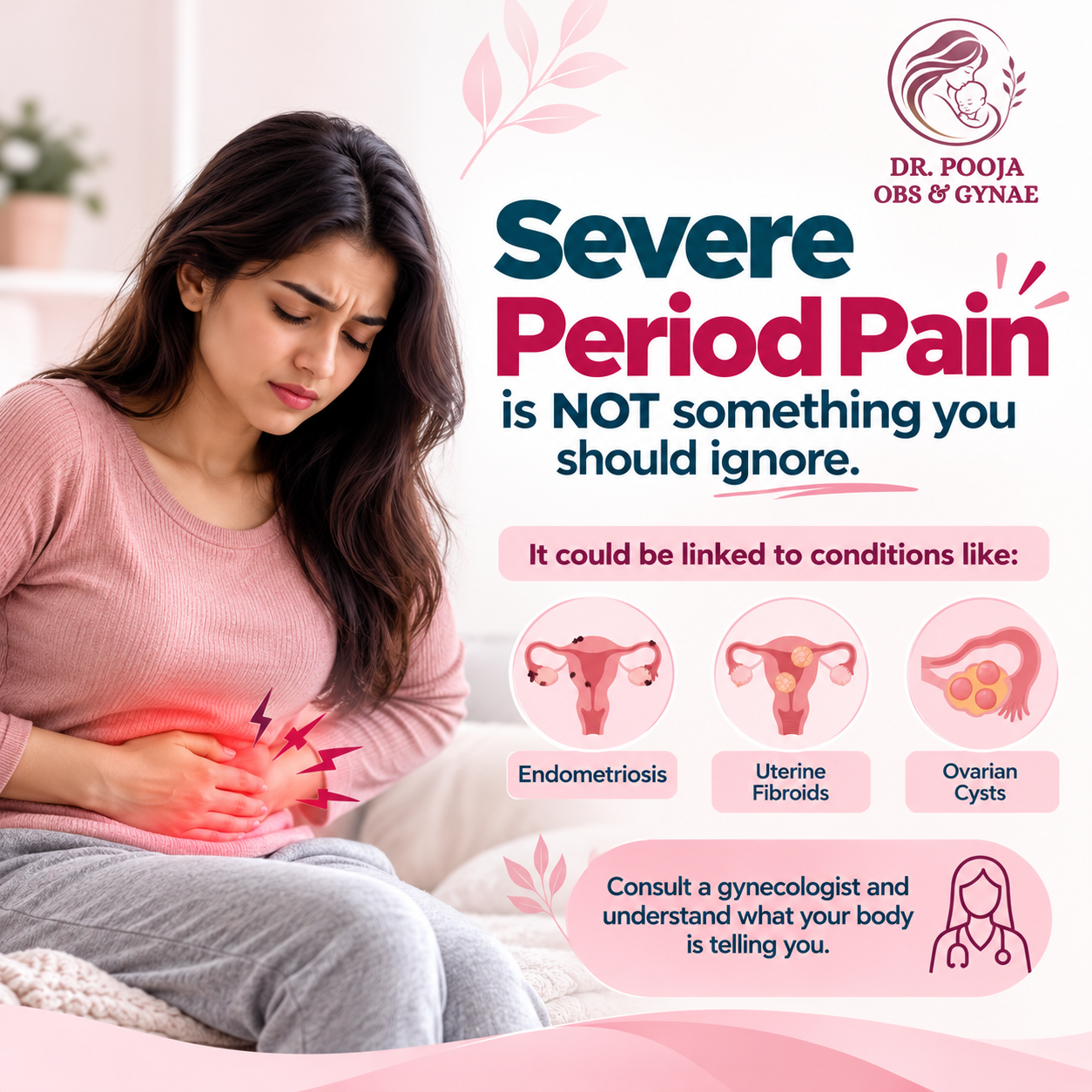
Period pain is common, but severe period pain that disrupts your daily life should never be ignored.
Many women experience mild menstrual cramps during their periods. However, if your pain is so intense that you cannot attend school, college or work, or if painkillers are not providing relief, it may be time to consult a gynecologist.
Severe menstrual cramps can sometimes be associated with conditions such as endometriosis, uterine fibroids, adenomyosis or ovarian cysts.
Understanding the causes of severe period pain, warning signs and available treatment options can help you recognise when medical attention is needed.
What Is Severe Period Pain (Dysmenorrhea)?
Painful menstruation is medically known as dysmenorrhea. It usually causes cramping or discomfort in the lower abdomen before or during menstruation.
There are two main types of dysmenorrhea.
Primary Dysmenorrhea
Primary dysmenorrhea refers to menstrual pain that occurs without an underlying pelvic disease.
It is commonly caused by prostaglandins, natural chemicals that trigger contractions of the uterus during menstruation.
Secondary Dysmenorrhea
Secondary dysmenorrhea occurs when menstrual pain is associated with an underlying medical condition, such as endometriosis, adenomyosis or uterine fibroids.
Pain may gradually worsen over time or occur at other points in the menstrual cycle.
7 Common Causes of Severe Period Pain
1. Endometriosis
Endometriosis is a condition in which tissue similar to the lining of the uterus grows outside the uterus.
It may cause:
Severe menstrual cramps
Chronic pelvic pain
Pain during or after intercourse
Painful bowel movements, especially during periods
Difficulty conceiving in some cases
If your menstrual pain is progressively worsening, consult a gynecologist for evaluation.
2. Uterine Fibroids
Uterine fibroids are noncancerous growths that develop in or around the uterus.
Depending on their size and location, fibroids may cause heavy menstrual bleeding, pelvic pressure and painful periods.
Not all fibroids cause symptoms.
3. Adenomyosis
Adenomyosis occurs when tissue similar to the uterine lining grows into the muscular wall of the uterus.
Common symptoms include painful periods, heavy menstrual bleeding and pelvic discomfort.
4. Ovarian Cysts
Ovarian cysts are fluid-filled sacs that develop in or on the ovaries.
Most ovarian cysts are harmless and resolve without treatment. However, some may cause pelvic pain, particularly if they become large, rupture or cause ovarian torsion.
Sudden, severe pelvic pain requires urgent medical assessment.
5. Pelvic Inflammatory Disease (PID)
Pelvic inflammatory disease is an infection affecting the female reproductive organs.
It may cause lower abdominal pain, abnormal vaginal discharge, fever, pain during intercourse or irregular bleeding.
Early diagnosis and treatment are important to reduce the risk of complications.
6. Increased Prostaglandin Activity
Prostaglandins help the uterus contract and shed its lining during menstruation.
Higher prostaglandin activity may cause stronger uterine contractions and more intense menstrual cramps.
This is a common mechanism behind primary dysmenorrhea.
7. Cervical Narrowing or Other Pelvic Conditions
In some cases, narrowing of the cervical opening or other structural conditions may contribute to painful menstruation.
A gynecologist can help determine whether further evaluation is needed.
7 Warning Signs That Period Pain Should Not Be Ignored
Although mild menstrual discomfort is common, certain symptoms deserve medical attention.
1. Pain That Disrupts Daily Activities
If you regularly miss school, college, work or important activities because of period pain, consult a doctor.
2. Pain That Is Getting Worse Every Month
Progressively worsening menstrual cramps may require evaluation for an underlying condition.
3. Pain That Does Not Improve With Usual Treatment
Persistent pain despite appropriate self-care or recommended medication should be assessed.
4. Heavy Menstrual Bleeding
If you frequently soak through menstrual products, pass large clots or experience symptoms of anaemia, seek medical advice.
5. Pain During Intercourse
Pelvic pain during or after intercourse can sometimes be associated with endometriosis or other gynaecological conditions.
6. Pelvic Pain Between Periods
Pain that continues outside your menstrual cycle may indicate another cause requiring assessment.
7. Severe Pain With Fever, Vomiting or Fainting
Sudden severe pelvic pain, especially with fever, vomiting, dizziness or fainting, requires urgent medical attention.
If pregnancy is possible, severe pelvic pain or bleeding also needs urgent evaluation to exclude complications such as ectopic pregnancy.
How Is Severe Period Pain Diagnosed?
If you experience frequent or severe menstrual pain, a gynecologist may recommend an evaluation based on your symptoms and medical history.
This may include:
Discussion of your menstrual cycle and pain pattern
Review of associated symptoms
Physical or pelvic examination when appropriate
Pelvic ultrasound if clinically indicated
Blood tests or other investigations depending on symptoms
A normal ultrasound does not always rule out endometriosis.
Severe Period Pain Treatment Options
Treatment for painful periods depends on the underlying cause, symptom severity and individual medical needs.
1. Heat Therapy
Applying a warm heating pad or hot water bottle to the lower abdomen may help relieve menstrual cramps.
2. Appropriate Pain-Relief Medication
Nonsteroidal anti-inflammatory drugs (NSAIDs), such as ibuprofen or naproxen, may help relieve primary menstrual cramps.
However, these medicines are not suitable for everyone. Consult a healthcare professional about safe use, particularly if you have kidney disease, stomach ulcers, take blood-thinning medication or may be pregnant.
3. Regular Physical Activity
Gentle exercise, walking or yoga may help some women manage menstrual discomfort.
4. Hormonal Treatment
For certain patients, hormonal treatments such as combined oral contraceptives or progestin-based options may help reduce menstrual pain.
These should be used under medical guidance.
5. Treatment of Underlying Conditions
If severe menstrual pain is caused by endometriosis, fibroids, adenomyosis or another condition, your gynecologist may recommend targeted treatment.
In selected cases, surgery may be considered based on the diagnosis and individual circumstances.
Can Severe Period Pain Be a Sign of Endometriosis?
Yes. Severe menstrual pain can be a symptom of endometriosis, especially when it is associated with persistent pelvic pain, painful bowel movements or pain during intercourse.
However, not everyone with painful periods has endometriosis.
A medical assessment is necessary to determine the cause.
When Should You Consult a Gynecologist for Painful Periods?
You should consider booking a consultation if:
Your period pain affects daily activities
Menstrual cramps are becoming more severe
Usual pain-relief measures are not helping
You experience heavy or irregular menstrual bleeding
You have pelvic pain outside your periods
You are concerned about endometriosis or fibroids
Early assessment can help identify treatable causes and improve symptom management.
Consult Dr. Pooja Choudhary for Severe Period Pain in Indirapuram & Noida
If you are searching for a gynecologist for severe period pain in Indirapuram, Noida or Greater Noida, Dr. Pooja Choudhary provides consultations for menstrual and reproductive health concerns.
Areas of gynaecological care include:
Painful periods and dysmenorrhea
Irregular menstrual cycles
Heavy menstrual bleeding
PCOS and hormonal health concerns
Pelvic pain evaluation
Endometriosis-related concerns
Understanding the cause of your symptoms is the first step towards appropriate treatment.
Website: https://drpoojachoudhary.in/
Consultation areas: Indirapuram, Ghaziabad, Noida and Greater Noida West.
Schedule a consultation to discuss persistent or severe menstrual pain.
Frequently Asked Questions About Severe Period Pain
1. Is severe period pain normal?
Mild to moderate menstrual cramps can be common. However, pain that regularly disrupts your daily activities or does not improve with appropriate treatment deserves medical evaluation.
2. Why are my period cramps so painful?
Severe menstrual cramps may result from increased prostaglandin activity or conditions such as endometriosis, adenomyosis or fibroids.
3. Can endometriosis cause severe period pain?
Yes. Endometriosis can cause significant menstrual cramps, chronic pelvic pain and other symptoms.
4. What is the best treatment for painful periods?
Treatment depends on the cause. Options may include heat therapy, appropriate pain-relief medication, hormonal treatment or management of an underlying condition.
5. Can PCOS cause painful periods?
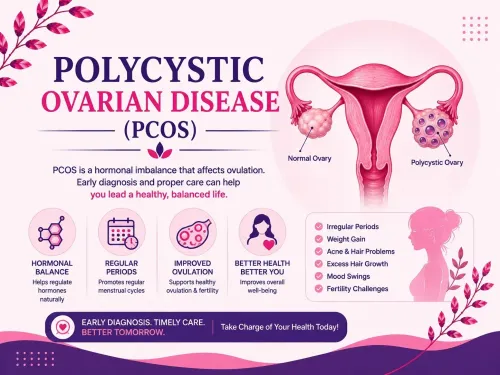
PCOS commonly causes irregular periods, but severe menstrual pain is not a defining symptom. Other causes should be considered if pain is significant.
6. When should I see a gynecologist for period pain?
Consult a gynecologist if your menstrual pain interferes with normal activities, worsens over time or does not respond to usual treatment.
7. Can severe period pain affect fertility?
Menstrual pain itself does not necessarily affect fertility. However, some underlying conditions, such as endometriosis, may be associated with fertility difficulties.
Conclusion
Period pain should not be something you have to suffer through every month.
While mild cramps can be common, severe or worsening menstrual pain may indicate an underlying condition that needs medical attention.
If your periods regularly interfere with your work, studies, sleep or daily activities, speak with a gynecologist.
Your menstrual health matters. Understanding the cause of your pain can help you find appropriate relief.