
Irregular periods, acne, unwanted hair growth, weight changes, or difficulty conceiving can have several causes, including polycystic ovarian disease. You will learn what the name means, which signs deserve assessment, how clinicians confirm or rule it out, and when symptoms need prompt medical care.
Key takeaways
- PCOS does not require ovarian cysts for diagnosis.
- Irregular periods, excess hair, acne, and infertility can signal PCOS.
- Thyroid disease, high prolactin, and pregnancy can mimic PCOS symptoms.
- Bring cycle dates, medicines, test results, and symptom details to your consultation.
What does polycystic ovarian disease actually mean?
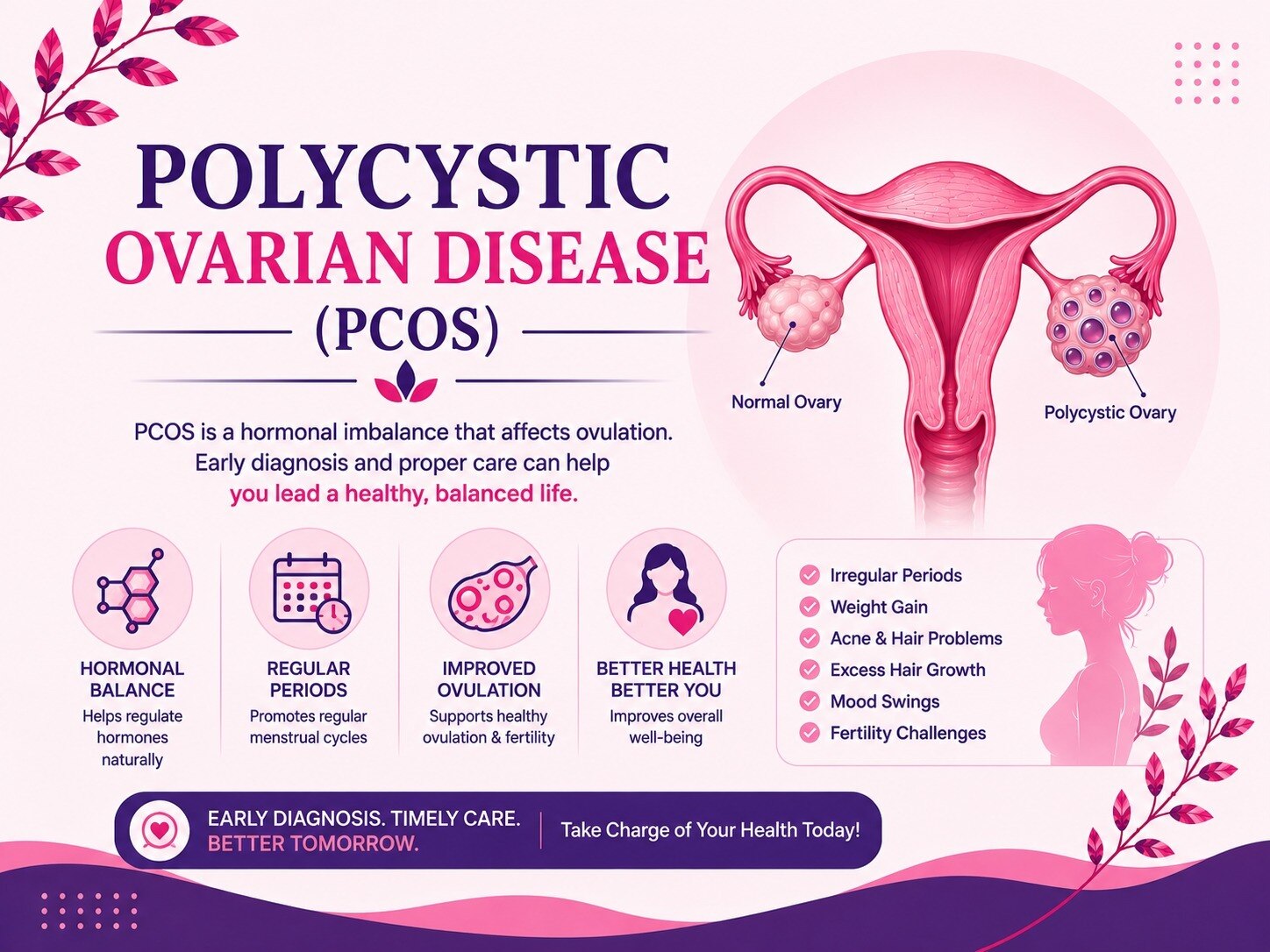
Polycystic ovarian disease meaning usually refers to polycystic ovary syndrome (PCOS), a hormonal and metabolic condition. The name is misleading: ovarian cysts are not required for diagnosis. Ultrasound may show many small follicles, but these are usually immature follicles that did not release an egg, not dangerous cysts.
Some people with PCOS do not have a polycystic appearance on an ultrasound.
Common polycystic ovarian disease signs and polycystic ovarian disease symptoms include:
- Irregular, infrequent, or absent periods
- Unpredictable ovulation
- Acne
- Excess facial or body hair
- Thinning hair on the scalp
- Weight gain or other weight changes
- Darkened skin folds, especially on the neck, groin, or underarms
- Difficulty conceiving
Symptoms vary widely. You can have PCOS with regular-looking cycles, normal body weight, or few outward signs. Another person may have several visible symptoms but regular periods. Unpredictable ovulation can make conception difficult, but it does not mean permanent infertility.
A diagnosis depends on the overall pattern of symptoms, examination, and appropriate testing—not on finding ovarian cysts alone.
How is polycystic ovarian disease diagnosed at different ages?
Symptoms or an ultrasound alone cannot confirm polycystic ovarian disease. In adults, clinicians usually require at least two of three features after excluding other causes:
- Ovulatory dysfunction, shown by irregular, widely spaced, or absent periods
- Clinical or biochemical androgen excess, such as excess facial hair, acne, scalp hair thinning, or raised testosterone
- Polycystic ovarian morphology on ultrasound or an appropriate anti-Müllerian hormone (AMH) result
A consultation reviews your menstrual and pregnancy history, medicines, family history, blood pressure, weight-related measures, and signs of androgen excess on examination. Tests may include TSH for thyroid disease, prolactin, total or free testosterone, HbA1c or fasting glucose, a lipid profile, and pelvic ultrasound when indicated.
Pregnancy, non-classic congenital adrenal hyperplasia, and androgen-secreting disorders also need consideration.
No single blood test confirms PCOD. An ultrasound report stating “polycystic ovaries” is not enough because results vary with age, equipment, probe, operator, and hormonal contraception. The scan must fit the period and androgen findings.
Adolescents need stricter criteria: persistent cycle problems defined by time since the first period plus clinical or biochemical androgen excess. Ultrasound and AMH are not recommended for diagnosis because normal puberty can resemble PCOS. After menopause, new symptoms need a different evaluation, particularly if androgen excess appears suddenly.
If you seek a polycystic ovarian disease consultation in greater noida, take your cycle dates and previous reports.
Which symptoms could point to another condition?
A missed or irregular period is not automatically a polycystic ovarian disease symptom. Pregnancy, thyroid disease, and high prolactin can disrupt ovulation, while pelvic pain points toward several conditions that PCOD does not explain.
| Condition | Clues that point away from PCOD | What to do |
|---|---|---|
| Pregnancy | Missed period, nausea, breast tenderness, or new fatigue | Take a pregnancy test |
| Thyroid disease | Fatigue, temperature sensitivity, weight change, tremor, or constipation | Request thyroid testing |
| High prolactin | Milky nipple discharge, headaches, or vision changes | Arrange prolactin assessment |
| Functional ovarian cyst | Sudden one-sided pain, pressure, or pain after exercise or sex | Seek examination if pain persists or is severe |
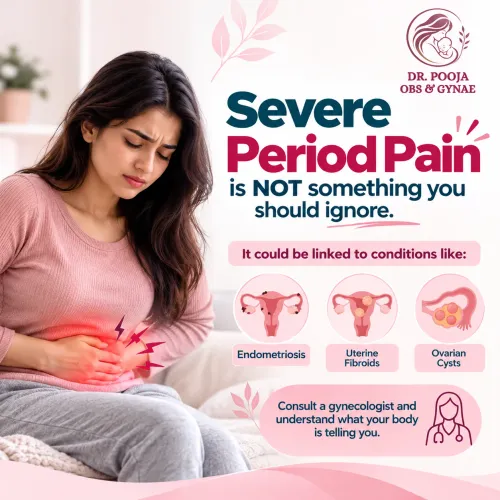
| Endometriosis | Recurrent severe period pain, deep pain during sex, or bowel or bladder pain during periods | Discuss gynecological evaluation |
| Pelvic infection | Fever, unusual discharge, pelvic tenderness, or pain during sex | Seek prompt medical care |
Sudden marked facial hair, virilisation such as a deeper voice, rapidly worsening acne, rapid scalp hair loss, or very high androgen levels require assessment for an androgen-secreting disorder rather than assuming PCOD.
- Bleeding that rapidly soaks pads
- Severe one-sided pelvic pain or fainting
- Fever with pelvic pain
- A positive pregnancy test with pain or bleeding
- No period for several months without evaluation
These are not automatically polycystic ovarian disease signs; they can indicate ectopic pregnancy, ovarian complications, infection, or significant blood loss.
How can it affect health beyond periods and fertility?
Pregnancy not being a current priority does not make PCOD medically irrelevant. Insulin resistance can lead to impaired glucose tolerance, prediabetes, or type 2 diabetes, while abnormal cholesterol and high blood pressure raise long-term cardiovascular risk. These concerns also affect people who are not overweight.
A clinician may assess for:
- Sleep apnoea, especially with loud snoring, morning headaches, or daytime sleepiness
- Fatty liver linked with metabolic changes
- Anxiety, depression, body-image distress, or eating-disorder symptoms
These are genuine health concerns, not secondary issues caused only by difficulty conceiving. If you are asking, “could polycystic ovarian disease affect my health in greater noida?”, the answer is yes, and a health review remains worthwhile.
Long gaps between periods expose the endometrium to hormonal stimulation without regular progesterone protection. Over time, this can cause endometrial thickening and hyperplasia, which can increase cancer risk. Seek assessment for unusually heavy, prolonged, or unexpected bleeding; routine ultrasound or endometrial biopsy is not recommended for every person with PCOD who has no symptoms.
Unpredictable ovulation is not permanent infertility. If you later want pregnancy, assessment can identify other factors, and targeted ovulation treatment—often letrozole for suitable adults—can help. Recording absent periods and abnormal bleeding makes that assessment more useful.
What should you do before a PCOD health consultation?
1. Bring a two- to three-month record of your cycle dates, skipped periods, bleeding amount, acne, facial or body-hair changes, scalp hair loss, medicines, and supplements. Add your pregnancy plans, snoring or daytime sleepiness, and family history of diabetes, high blood pressure, thyroid disease, or irregular periods.
2. Expect a complete assessment, not a diagnosis based on one ultrasound. The clinician should review your menstrual and pregnancy history, examine signs of androgen excess, check blood pressure and weight-related measures, and order targeted tests.
These can include a pregnancy test when relevant, TSH, prolactin, testosterone, lipid profile, glucose testing, or pelvic imaging; the choice depends on your symptoms and alternative conditions that need exclusion.
3. Ask how your blood sugar will be assessed. A 75-g oral glucose-tolerance test is the most accurate glycaemic test in PCOS, including when your BMI is below 25. HbA1c or fasting glucose is reasonable when the oral test is impractical, but both are less accurate.
4. Discuss sustainable food and activity choices because they benefit everyone with PCOS, regardless of weight. Combined oral contraceptives may help irregular cycles or androgen-related symptoms, while metformin is especially relevant to metabolic findings; either medicine depends on pregnancy plans, contraindications, side effects, and your priorities.
For a polycystic ovarian disease consultation in Greater Noida, Dr Pooja Choudhary can assess the pattern and distinguish PCOD from conditions requiring different care. If you searched “could polycystic ovarian disease affect my health in greater noida”, take these records with you.
Related service
Gynaecology Services PCOS/PCOD Treatment in Indirapuram, Ghaziabad | Gaur City 2, Greater Noida West | Noida Polycystic Ovary Syndrome (PCOS), also known as Polycystic... View service → |
Frequently asked questions
What does polycystic ovarian disease actually mean?
Polycystic ovarian disease usually refers to polycystic ovary syndrome, a hormonal and metabolic condition. Ovarian cysts are not required for diagnosis; ultrasound findings usually represent many immature follicles.
How is polycystic ovarian disease diagnosed at different ages?
Clinicians assess menstrual patterns, androgen-related signs or blood tests, and ovarian ultrasound when appropriate. Adolescents need age-specific criteria because irregular cycles and acne can be normal after puberty.
Which symptoms could point to another condition?
Sudden symptoms, severe pelvic pain, milk discharge, marked weight change, deepened voice, or very heavy bleeding require evaluation for conditions such as thyroid disease, high prolactin, pregnancy, or an ovarian disorder.
How can polycystic ovarian disease affect health beyond periods and fertility?
PCOS can be associated with insulin resistance, weight changes, high blood pressure, abnormal cholesterol, fatty liver disease, sleep apnoea, and emotional distress.
What should you do before a PCOD health consultation?
Record cycle dates, bleeding changes, acne or hair growth, weight changes, medicines, pregnancy history, and previous reports. Write down your questions and bring a complete medication list.