
Winter brings cooler temperatures, dry weather, and seasonal infections. For expecting mothers, these changes can make pregnancy feel a little more challenging.
If you are pregnant during winter, you may notice dry skin, reduced thirst, or difficulty maintaining your regular exercise routine. In cities like Noida, Greater Noida, and Ghaziabad, winter air pollution can also become an additional concern.
The good news is that a few simple lifestyle adjustments can help you stay comfortable and support a healthy pregnancy.
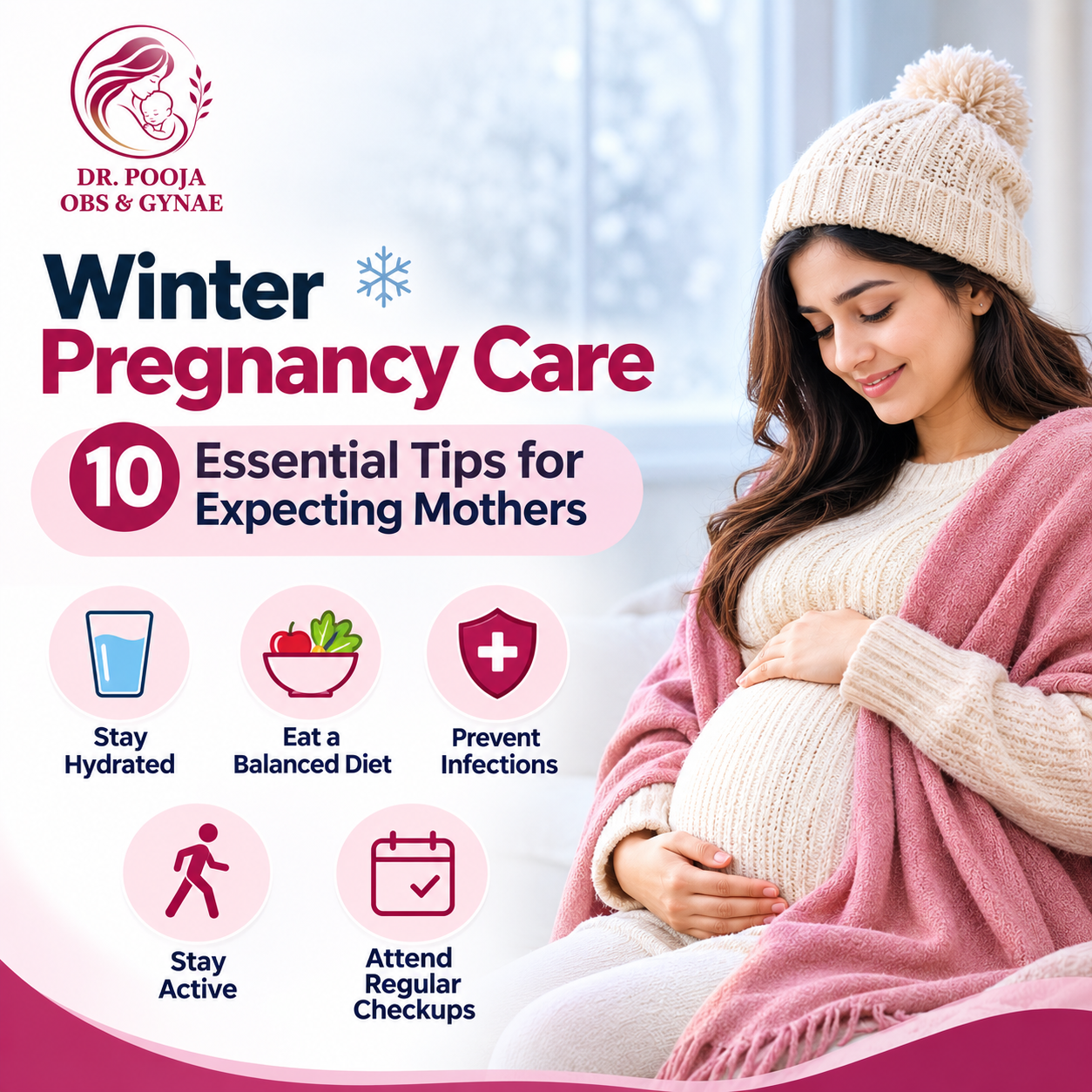
Here are 10 essential winter pregnancy care tips every expecting mother should know.
1. Stay Hydrated Even When You Don't Feel Thirsty
During winter, you may not feel as thirsty as you do in summer. However, your body still needs adequate fluids.
Drink water regularly throughout the day. Warm water, soups, and other pregnancy-safe fluids can help you stay hydrated.
Proper hydration supports digestion and helps prevent constipation, which is common during pregnancy.
2. Eat a Balanced, Nutrient-Rich Diet
A healthy pregnancy diet is important throughout the year.
Include a variety of nutritious foods such as:
Seasonal fruits and vegetables
Whole grains and pulses
Milk, curd, and paneer
Eggs, nuts, and seeds, where suitable
Protein-rich foods such as lentils, tofu, and properly cooked lean meats
Continue taking prenatal supplements as recommended by your gynaecologist.
3. Protect Yourself from Seasonal Infections
Winter often brings an increase in respiratory infections.
Pregnant women should take simple precautions, including regular handwashing, avoiding close contact with sick individuals, and keeping indoor spaces appropriately ventilated when outdoor air quality permits.
Discuss recommended vaccinations, including influenza vaccination, with your healthcare provider.
4. Stay Physically Active
Cold weather can make outdoor exercise less appealing, but regular physical activity remains beneficial during an uncomplicated pregnancy.
Walking indoors, prenatal yoga, and pregnancy-safe stretching may help improve mobility and overall wellbeing.
Choose activities appropriate for your pregnancy and follow your doctor's advice, especially if you have pregnancy complications.
5. Take Care of Dry and Itchy Skin
Cold weather and low humidity can make your skin dry.
Use a gentle, fragrance-free moisturiser, avoid very hot showers, and wear comfortable clothing.
If itching becomes severe, particularly on your palms or soles, consult your gynaecologist. Persistent itching during pregnancy can sometimes indicate a medical condition that needs evaluation.
6. Dress Comfortably and Stay Warm
Layered clothing can help you adjust to temperature changes.
Choose breathable fabrics and comfortable maternity clothing that does not put unnecessary pressure on your abdomen.
Avoid overheating, particularly when using heaters or spending time in very warm indoor environments.
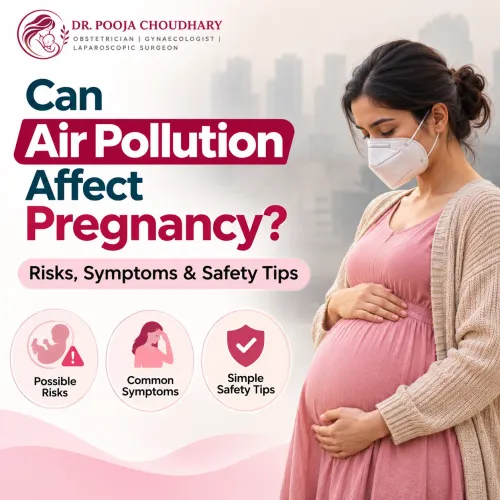
7. Be Careful During High AQI Days
Air pollution levels often increase during winter in Delhi NCR.
Exposure to air pollution during pregnancy has been associated with certain adverse pregnancy outcomes.
To reduce exposure:
Check local air quality before going outdoors.
Limit unnecessary outdoor activities when pollution is high.
Consider using a well-fitting N95 mask outdoors.
Use a suitable HEPA air purifier indoors if available.
Avoid smoking, incense, and other indoor pollution sources.
8. Maintain a Healthy Sleep Routine
Pregnancy can affect sleep quality, and winter lifestyle changes may make it harder to maintain a consistent routine.
Try to follow regular sleeping hours, keep your bedroom comfortable, and use supportive pillows if needed.
After 28 weeks of pregnancy, going to sleep on your side is generally recommended.
9. Avoid Self-Medication for Cold and Cough
Cough, cold, and fever are common concerns during winter.
However, not every over-the-counter medicine is suitable during pregnancy.
Avoid taking antibiotics, herbal supplements, or cold medicines without consulting your healthcare provider.
If you develop fever, persistent cough, or breathing difficulty, seek medical advice.
10. Never Skip Your Antenatal Checkups
Regular prenatal appointments are essential for monitoring maternal health and fetal development.
During antenatal visits, your gynaecologist may assess:
Blood pressure
Weight and overall health
Baby's growth and development
Recommended blood tests
Pregnancy-related symptoms or complications
Women with high-risk pregnancies may require additional monitoring.
When Should You Consult a Gynaecologist During Winter?
Seek medical advice if you experience persistent fever, worsening respiratory symptoms, unusual swelling, severe itching, or other concerning symptoms.
Seek urgent medical care for vaginal bleeding, severe abdominal pain, significant breathing difficulty, or reduced fetal movements once your baby's movement pattern has become established.
Frequently Asked Questions
Q1. Is winter weather harmful during pregnancy?
Cold weather itself does not usually harm the baby. However, seasonal infections, dehydration, and air pollution may create additional health concerns.
Q2. What foods are good during winter pregnancy?
A balanced diet containing seasonal vegetables, fruits, whole grains, protein, and calcium-rich foods helps support pregnancy nutrition.
Q3. Can pregnant women walk outside during winter?
Walking is generally safe during uncomplicated pregnancies. However, outdoor activity should be adjusted according to weather conditions, air quality, and medical advice.
Q4. Is it safe to use a room heater during pregnancy?
Room heaters can generally be used with appropriate ventilation and safety precautions. Avoid overheating and never use fuel-burning heaters in poorly ventilated rooms.
Q5. Should pregnant women take extra vitamins during winter?
Take prenatal vitamins and other supplements according to your doctor's recommendations. Additional supplements are not automatically necessary because of the season.
Conclusion
Winter pregnancy care does not have to be complicated. Staying hydrated, eating nutritious foods, remaining active, reducing pollution exposure, and attending regular antenatal checkups can help support maternal wellbeing.
Every pregnancy is different, so personalised medical guidance is important.
For pregnancy care, antenatal checkups, and high-risk pregnancy management in Indirapuram and Greater Noida, consult Dr. Pooja Chaudhary, Obstetrician, Gynaecologist & Laparoscopic Surgeon.