

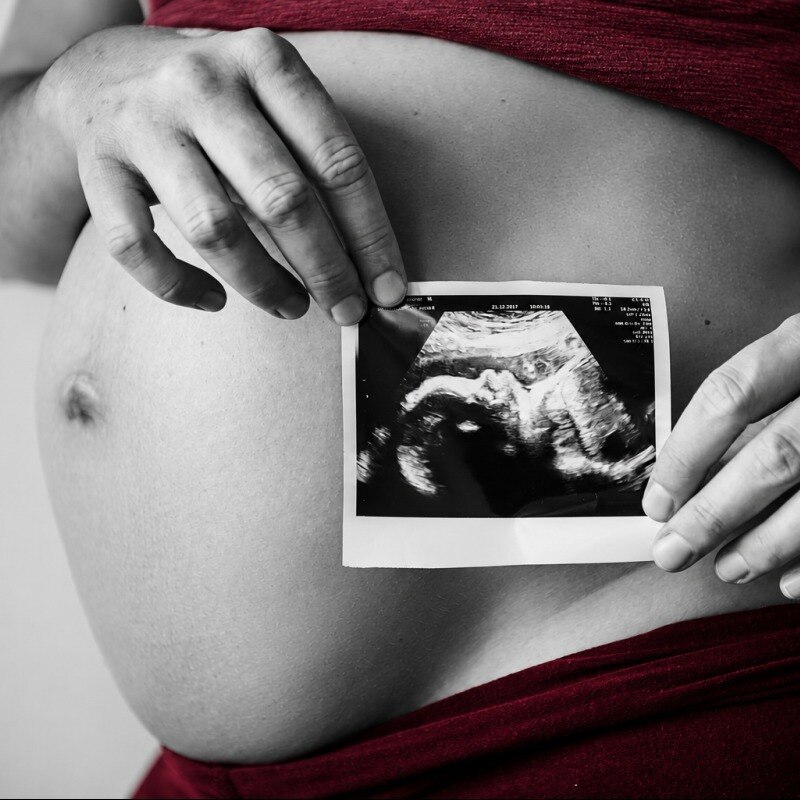
Your first pregnancy needs more than occasional ultrasound appointments: you need a care pathway that starts early, tracks changing risks, explains screening choices, and gives you a clear emergency route. By the end, you will know what to arrange, what to take to your first consultation, which tests and checks to discuss, and how to compare obstetricians and hospitals in Noida.
Key takeaways
- Book your first obstetrician consultation soon after a positive pregnancy test.
- Keep pregnancy reports, medicines, symptoms, and questions ready for every visit.
- Seek same-day advice for concerning symptoms and emergency care for severe warning signs.
- Compare doctor access, hospital facilities, emergency support, and delivery plans before choosing care.
When should your first pregnancy consultation begin, and what happens next?
Book your first obstetrician consultation in Noida during the first trimester, ideally soon after a positive pregnancy test. Early care confirms how far the pregnancy has progressed, identifies concerns that need prompt attention, and gives you a clear follow-up plan before symptoms or test deadlines are missed.
At the first visit, your obstetrician will usually:
- Confirm the last menstrual period and estimate the due date; an early dating or viability ultrasound helps when dates are uncertain or you have pain or bleeding.
- Review medical and surgical history, previous pregnancies, medicines, allergies, vaccinations, and conditions such as diabetes, thyroid disease, or high blood pressure.
- Assess miscarriage and ectopic-pregnancy warning signs, then plan blood tests, urine checks, screening, supplements, nutrition advice, and pregnancy-safe medicines.
Ongoing antenatal care is more than arranging scans. The World Health Organization model recommends at least eight contacts: the first in the first trimester, followed by visits around 20, 26, 30, 34, 36, 38, and 40 weeks. These appointments track blood pressure, weight, symptoms, fetal growth, test results, and vaccination needs.
The detailed anatomy scan is commonly performed at 18–22 weeks, but it cannot replace clinical review.
When comparing obstetrics services for first time mother in Noida, choose a clinic that coordinates this continuing care and explains when a scan is useful rather than using repeated scans as proof that every risk has been removed.
What checks and tests are usually discussed at each stage of pregnancy?
Blood pressure, weight and urine testing are usually reviewed at antenatal visits, but the schedule and test panel depend on your history, symptoms, previous results and doctor’s advice. Obstetrics care for mothers in Noida should explain why each investigation is needed rather than repeat every test automatically.
- First trimester: Initial blood work commonly includes a complete blood count, blood group, Rh status, haemoglobin and infection screening for HIV, syphilis and hepatitis B. Your clinician may discuss cell-free DNA screening from about 10 weeks, or first-trimester serum and ultrasound screening; these estimate chromosomal risk, while chorionic-villus sampling is diagnostic and involves procedure-related considerations.
A dating or viability ultrasound is used when dates are uncertain, or when pain or bleeding needs assessment.
- Second trimester: The detailed fetal anatomy ultrasound is commonly performed at 18–22 weeks. Gestational-diabetes testing is usually discussed at 24–28 weeks, alongside continued blood-pressure, weight and urine checks. Review influenza and pertussis-containing vaccination, live vaccines, iron-folate and other supplements with your clinician rather than self-prescribing.
- Third trimester: Visits focus on blood pressure, weight, urine findings, fetal movement and growth. Fundal-height measurements and ultrasound are used when growth, fluid, placental position or another concern needs assessment; a repeat complete blood count or other tests depend on your results.
Pregnancy obstetrics services in Noida should adjust this pathway for diabetes, hypertension, thyroid or kidney disease, prior uterine surgery, multiple pregnancy or abnormal screening.
How should you prepare for appointments and understand pregnancy reports?
Bring a written record to your first obstetrician consultation in Noida; missing details can lead to repeated tests, unsafe medicine choices, or an incomplete risk assessment.
- Note the first day of your last menstrual period and whether your cycles are regular.
- Carry previous medical and surgical records, including earlier pregnancies, miscarriages, operations, hospital admissions, and ultrasound reports.
- List every medicine, iron-folate tablet, vitamin, supplement, and herbal product you take, with its dose.
- Write down drug, food, and latex allergies, including the reaction you experienced.
- Bring your vaccination history, especially influenza, tetanus, pertussis-containing vaccines, hepatitis B, and rubella records.
- Record family history of diabetes, hypertension, genetic conditions, birth defects, blood-clotting disorders, and recurrent pregnancy loss.
- State pre-existing conditions such as diabetes, thyroid disease, epilepsy, kidney disease, hypertension, asthma, or clotting disorders.
Read reports as decision aids, not diagnoses. A screening result estimates the chance of a chromosomal condition; it does not confirm disease. A high-risk result needs counselling about diagnostic tests such as chorionic-villus sampling or amniocentesis, while a low-risk result cannot exclude every problem.
Ultrasound assesses specific features at a specific stage; it cannot remove every pregnancy risk. An abnormal measurement needs comparison with gestational age, symptoms, other findings, and examination by a clinician. Do not self-diagnose from a number or assume repeated scans replace pregnancy obstetrics services in Noida.
Which pregnancy symptoms need a same-day call or emergency assessment?
Mild nausea, heartburn, backache, and occasional painless tightening are common. They become urgent when they are severe, persistent, sudden, or accompanied by bleeding, faintness, fever, or reduced movement. Do not wait for a routine appointment or rely on a message-only consultation.
| Symptom | Action |
|---|---|
| Heavy vaginal bleeding or suspected fluid leakage | Call the maternity unit immediately; attend emergency assessment if bleeding is heavy, continuous, or associated with pain or dizziness. |
| Severe abdominal or upper-abdominal pain, or regular painful contractions | Seek same-day assessment, especially before 37 weeks or when contractions become progressively closer. |
| Persistent vomiting, fainting, seizures, or fever | Treat fainting, seizures, or collapse as an emergency; contact urgent medical care for persistent vomiting or fever. |
| Chest pain or breathing difficulty | Seek emergency assessment rather than travelling alone or waiting for a reply. |
| Severe headache with visual changes, sudden swelling, or markedly raised blood pressure | Request urgent assessment for possible pre-eclampsia; do not wait for the next blood-pressure check. |
| Reduced fetal movement later in pregnancy | Contact the maternity unit immediately for instructions and assessment; do not try to reassure yourself with a home Doppler. |
These instructions are a basic safety feature of obstetrics care for mothers in Noida. When comparing obstetrics services for first time mother in Noida, ask exactly who answers urgent calls, which hospital receives you, and whether emergency assessment is available around the clock.
How do you choose an obstetrics doctor and hospital for your first pregnancy in Noida?
Choose an obstetrics doctor for first pregnancy in Noida by confirming current maternity practice, not by relying on a gynecology or laparoscopic-surgery title. Laparoscopic expertise does not prove experience managing labour, caesarean delivery, or intrapartum emergencies.
Ask these questions before booking your obstetrician consultation in Noida:
- Which hospital will manage labour and caesarean delivery?
- Does the doctor have current labour and caesarean privileges there?
- What number or service handles emergencies after clinic hours?
- Are anaesthesia, surgery, and a blood bank available at the hospital?
- Who provides newborn resuscitation, and where are babies transferred if neonatal intensive care is needed?
- How are diabetes, hypertension, thyroid disease, multiple pregnancy, abnormal scans, or previous uterine surgery referred to high-risk specialists?
- How quickly can you obtain routine and urgent appointments?
- Will the doctor explain options clearly and support your questions?
- What postpartum follow-up covers bleeding, blood pressure, wounds, breastfeeding, contraception, anaemia, pelvic-floor symptoms, sleep, and mood?
| Compare | What to verify | Why it matters |
|---|---|---|
| Clinic-only care | Antenatal visits plus a named delivery hospital | The clinic may not handle labour |
| Hospital-linked care | Labour, caesarean, anaesthesia, blood-bank and newborn arrangements | One pathway reduces delay |
| Continuity | Antenatal, emergency, referral and postpartum contact | Care continues after delivery |
Dr Pooja Choudhary’s obstetrics services for first time mother in Noida should be assessed against these practical arrangements, communication, and continuity—not a title alone.
Related services
Obstetrics Services Obstetrics Services in Indirapuram, Ghaziabad | Gaur City 2, Greater Noida West | Noida A healthy pregnancy begins with expert obstetric care. View service → |
Obstetrics Services Postnatal Care in Indirapuram, Ghaziabad The weeks following childbirth are just as important as pregnancy. View service → |
Frequently asked questions
When should a first-time mother book an obstetrician consultation in Noida?
Book during the first trimester, ideally soon after a positive pregnancy test. The first consultation confirms how far the pregnancy has progressed, reviews your health history, identifies concerns, and sets the follow-up schedule.
What should I bring to my first pregnancy appointment?
Bring previous medical reports, ultrasound or laboratory results, a list of medicines and supplements, details of your last menstrual period, allergy information, and written questions about symptoms, tests, diet, and delivery care.
Which pregnancy symptoms require urgent medical attention?
Call your obstetrician the same day for concerning symptoms such as bleeding, persistent abdominal pain, severe vomiting, fever, or reduced fetal movement later in pregnancy. Seek emergency assessment for heavy bleeding, severe pain, fainting, breathing difficulty, seizures, or other rapidly worsening symptoms.
How do I choose an obstetrics doctor and hospital for my first pregnancy in Noida?
Check the doctor’s obstetric experience, appointment access, communication style, and approach to routine and high-risk pregnancy. Confirm where deliveries occur, which emergency services are available, how referrals work, and whether the hospital can support newborn and maternal complications.
Related services
Obstetrics Services Antenatal Care in Indirapuram, Ghaziabad | Gaur City 2, Greater Noida West | Noida A healthy pregnancy begins with expert Antenatal Care (Prenatal... View service → |
Obstetrics Services Healthy and Safe Pregnancy Care in Indirapuram, Ghaziabad | Gaur City 2, Greater Noida West | Noida A healthy pregnancy begins with the right medical... View service → |
Obstetrics Services Normal & Painless Delivery in Indirapuram, Ghaziabad Bringing a baby into the world is one of life's most precious moments. View service → |
Obstetrics Services ₹700 High-Risk Pregnancy Specialist in Gaur City, Greater Noida West, Noida, Indirapuram & Ghaziabad A high-risk pregnancy is a pregnancy in which the... View service → |